

It was a warm Thursday afternoon in Los Angeles on June 25, 2009, when a 911 call from Carolwood Drive sent shockwaves around the globe. Michael Jackson — the most famous entertainer on Earth, the man who changed the face of pop music forever — was found unconscious in his bedroom. Moments later, news outlets confirmed what millions refused to believe: the King of Pop was dead.
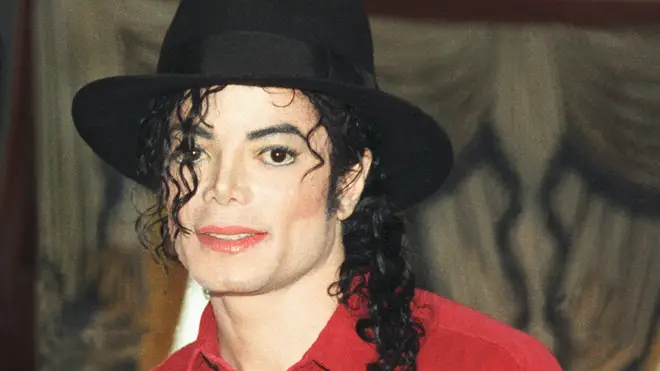
The world mourned with candlelight vigils and nonstop coverage. But as the grief began to settle, questions emerged like ghosts from behind the stage curtain. Why was Michael Jackson taking hospital-grade anesthesia to sleep? What was his personal doctor really doing in that room? And was Jackson, even in his final moments, just another casualty of fame, money, and power?
A Life Built on Applause and Isolation
Long before his final breaths, Michael Jackson had already been dying — slowly, silently, and painfully — from a life that never belonged to him. From the age of five, he was performing under harsh lights, rehearsing for hours, and subjected to relentless pressure by his father, Joe Jackson. Childhood was replaced with microphones and managers. Friends were replaced by fans. The line between public persona and private self blurred into oblivion.
Throughout his adult life, Jackson was haunted by insomnia, anxiety, and a deep fear of not living up to the myth the world had built around him. Former bodyguards and staff recalled him pacing hallways late at night, eyes bloodshot, whispering, “I just want to sleep.” The inability to rest — not just physically, but emotionally — became his greatest torment.

Enter Propofol: The Silent Killer
In his desperation, Jackson turned to more than sleeping pills. By 2009, he had begun using propofol, an anesthetic used to induce unconsciousness in surgeries. This wasn’t a simple sedative — this was something that should only be administered by anesthesiologists in hospitals, with machines monitoring heart rate, oxygen levels, and breathing.
Yet, inside Jackson’s rented Holmby Hills mansion, the drug was being used like a sleeping aid — night after night — administered by Dr. Conrad Murray, a cardiologist who had been hired just months prior with a monthly salary of $150,000, financed by the concert promoter AEG Live.
In the days before his death, multiple staff members noted Jackson’s declining condition. He was losing weight rapidly, his hands trembled, and he often appeared confused or disoriented. Still, the show — and the money behind it — had to go on.

This Is It: The Comeback That Crushed Him
Michael Jackson’s “This Is It” tour was designed to be the ultimate comeback. Fifty sold-out shows in London. Hundreds of millions in ticket sales. A chance to silence critics, restore his legacy, and escape the mountain of debt he had accumulated.
But according to leaked emails between AEG Live executives, Jackson was in no condition to perform. Kenny Ortega, the tour’s director, expressed concerns that Jackson was physically and mentally deteriorating. In one email dated June 20 — just five days before Jackson’s death — Ortega wrote: “There are strong signs of paranoia, anxiety and obsessive-like behavior… I think the very real possibility exists that he may need psychological intervention.”
Instead of pulling the plug, AEG applied more pressure. Dr. Conrad Murray, according to court testimony, felt compelled to keep Jackson functioning — at any cost.
The Final Night: A Tragic Sequence
On the night of June 24, Jackson returned from rehearsals and begged Murray for his “milk,” the nickname he gave to propofol. He reportedly pleaded, “Just let me sleep. I can’t function without it.”
Reluctantly or recklessly, Murray agreed.
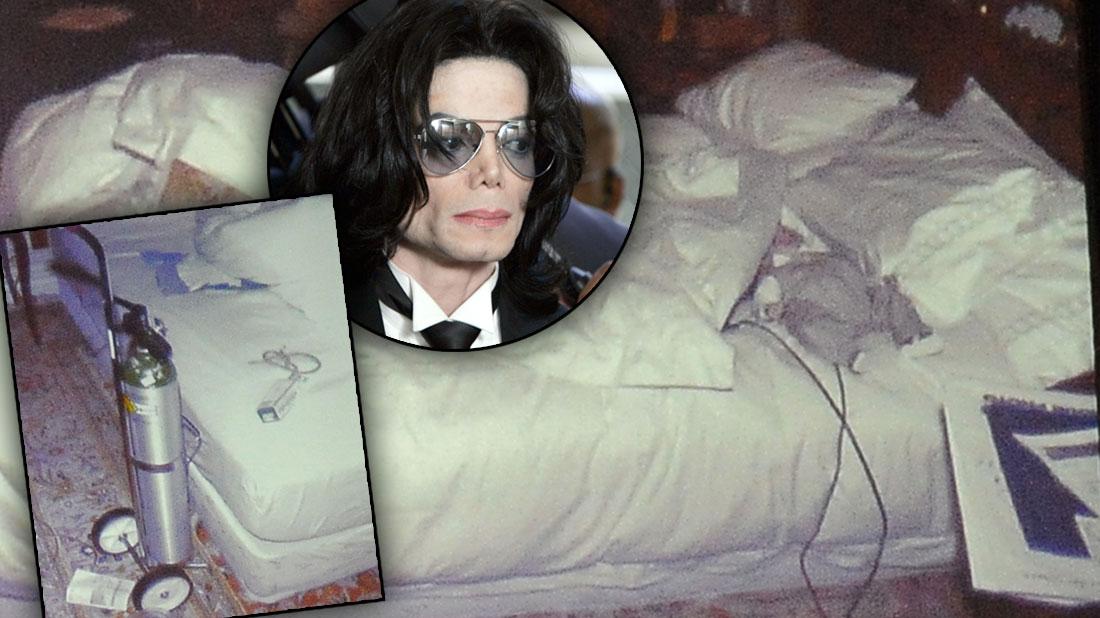
That night, Jackson was administered multiple sedatives — including lorazepam and midazolam — before Murray finally injected propofol. However, without proper monitoring equipment, Jackson’s breathing slowed, then stopped. By the time Murray realized something was wrong, it was too late.
Paramedics later testified that when they arrived, Jackson had no pulse. His body was already cool. He was declared dead at the hospital, but many believe he was long gone before the 911 call was ever made.
The Doctor, the Trial, and the Sentence
In 2011, Dr. Conrad Murray was found guilty of involuntary manslaughter. The trial revealed shocking details: he had left Jackson unattended after administering propofol, he had no resuscitation equipment, and he failed to call 911 immediately. Murray was sentenced to four years in prison and served two.
But was he solely to blame?
Many believed Murray was a fall guy — someone who took the fall while the deeper machinery behind Jackson’s death remained untouched. AEG Live denied wrongdoing, though they were later sued by Jackson’s family. The jury ultimately cleared AEG, concluding Murray had been Jackson’s personal physician, not the company’s responsibility.
The Hidden Addictions and Manipulation
Over time, other layers emerged. Jackson’s dependence on prescription medication had been enabled for years by a rotating circle of doctors, assistants, and advisors who prioritized access and money over his well-being. At times, he traveled with entire medical teams. He had aliases at pharmacies. He even wore disguises to obtain medication anonymously.
Friends who tried to intervene were pushed away. His world had become an echo chamber — one where “yes” was the only word allowed, and accountability was a threat.
A Death Years in the Making
Though his death certificate listed “acute propofol intoxication,” Jackson’s real cause of death was a long-term collapse of boundaries, ethics, and care. The medical profession failed him. The industry profited from him. The media mocked him. And the people around him — some well-intentioned, others parasitic — were part of a system that fed off his vulnerability.
In truth, Jackson didn’t die that day in Los Angeles. He died slowly — with every injection, every night of restless sleep, every day he was reminded he wasn’t allowed to be human.

Legacy or Warning?
Michael Jackson’s legacy remains towering: he redefined music, broke racial barriers, and inspired generations. But his death has become a case study — not just in medical negligence, but in the toxic price of fame.
He was a man who gave the world everything, yet received so little peace in return. A global icon, yet tragically alone. A perfectionist, broken by imperfection.

The Final Note
As we listen to Man in the Mirror or watch Thriller for the thousandth time, we might wonder — what if someone had said “no”? What if someone had chosen his health over his performance? What if someone had treated Michael Jackson not as a myth, but simply as a man who wanted to sleep?
Maybe then, the King of Pop would still be moonwalking among us.

